Follow Us


© ICHAF Training Institute 2017. All Rights Reserved

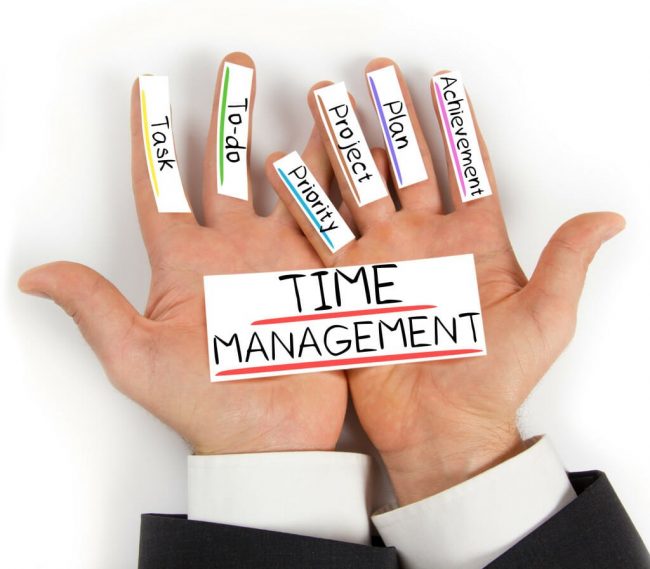
Poor time management negatively impacts productivity- Here’s how to change that

Devan Moonsamy 

It is no secret that in the coming few weeks businesses will be a buzz with work around the festive period. As the plans for Black Friday get under way, following close behind is the preparation for Christmas. 

Most businesses do start their preparations in earnest long before the crazy period but for those who struggle with staff that have poor time management getting the desired results can be both frustrating and stressful. 

Poor time management is not just seen at the level of staff. Management can also be guilty of this. In fact in most working environments lack of productivity can be felt by staff because managers have their hands so busy it becomes challenging to manage their time effectively. 

The same can be said for staff. If your staff have their hands full with filling in for others or doing more than one role you can witness their downfall in time management. 

Before we look at how to remedy poor time management, let us look at what are some of the leading causes of poor time management. 

Poor time management is essentially the failure to plan ahead and evaluate what is required from you around specific tasks. Another challenge is not prioritising work accordingly. It can also be a result of the lack of motivation and desire to be at work. It can also be caused by not setting your goals clearly and having a proper understanding of what’s required from you. 

It can also come from being overwhelmed with tasks that are considered to be tedious and perhaps a better system might alleviate this challenge. 

If you find yourself guilty of poor time management then there are ways to remedy these habits. Here’s how you can improve on the way in which you manage your time: 

– Start by prioritising your tasks. Work on your different tasks by prioritising them by the most important and the ones that need to be completed first and move along the list. This doesn’t mean you are brushing of tasks that are not important, you are just using your time to finish essential work first like getting back to a customer query or completing a task for your manager instead of planning for the year end function. It’s not that planning for the year end function isn’t a priority but between calling a caterer for that event and responding to a customer a query, the latter takes the priority. 

  • It is possible that someone would know what needs to be done and when it needs to be done. But the challenge is not knowing how long a certain task might take them. Estimating your time to complete a task incorrectly can be the reason why staff are falling behind on completing work. When this happens staff might rush through the task just to complete it seeing that they are out of time. This really has an impact on the quality of work being produced. In order to prevent this, try to note how long a specific task takes you. Just make a small note of it and monitor it over a period of time and try and see how you can now eliminate distractions and improve on your time management of that specific task. 
  •  If you are struggling there really isn’t anything wrong in asking for help. Another reason you might find it difficult to cope could be that there is a new system in place that you are not familiar with or maybe it’s new technology. Whatever the reason if training needs to be provided to make your understanding of the equipment better then ask for it. Remember you don’t work alone. In an office you are part of a team, and one of the reasons you might be slacking behind is the hesitance to ask for help. 

There is no guaranteed remedy to prevent lack of productivity from time management. What we can do is identify we need help and work on improving our time management skills.

Devan Moonsamy is the CEO of ICHAF Training Institute, a South African TVET College. He is the author of Racism, Classism, Sexism, And The Other ISMs That Divide Us, AND My Leadership Legacy Journal available from the ICHAF Training Institute. 

The ICHAF Training Institute offers SETA-approved training in business skills, computer use, and soft skills. Devan specialises in conflict and diversity management, and regularly conducts seminars on these issues for corporates. To book a seminar with Devan or for other training courses, please use the contact details below.

Tel: 011 262 2461 | 083 303 9159 |

Email: admin@ichaftraining.co.za devan@ichaftraining.co.za | 

Website: www.ichaftraining.co.za |  www.devan-moonsamy.com

How to handle staff who can’t grasp the concept of racism

Devan Moonsamy 

In light of the recent situation in the country around racism which saw the Protea’s Quinton de Kock not taking the knee to show solidarity around the issues of racism at the T20 match in Sri Lanka, it has become imperative to look at how to handle a situation like this in the work place. De Kock did issue an apology since the incident highlighting the lack of clarity around the pre-game requirement. 

South African’s were also left in fury when Gareth Cliff made headlines for brushing off racism. On October 22nd, Cliff insinuated on his show online in a discussion between the DA’s John Steenhuisen and activist Mudzuli Rakhivane that racism was not as a big as a deal as poor service delivery. The incident left long time sponsor of the show Nando’s, with a distaste resulting in them pulling out their sponsorship from the show. 

How we address racism speaks volumes about our business. The fact is if we showcase even an atom of racism and lack of diversity, we will jeopardise the integrity of our organisation. What the above incidents have highlighted that there is a lack of clarity around how racism is handled in organisations. 

We must understand that no one wishes to associate with people who are involved and support racism. But the reality is that racism is one of the biggest challenges faced by employees who are unsure on the office polices around this sensitive issue. 

Whether we have recently jumped on the Black Lives Matter belief or if we have always advocated for it, we should relook at what strategy is in place to address underlying issues of racism in the office. 

There is no guide on how to handle racism. But after South Africans have lived under apartheid it is no surprise that racist behaviour is still being . We must understand that this is no excuse for racist behaviour. We can’t say I was a victim of apartheid hence I behave this way but what it comes down to is understanding that this behaviour is not tolerated and we need to do something about it. 

Here’s how we can discuss or revive policies around racism:

  • You need to keep the conversation going. It shouldn’t be a discussion only when there is a hype around it. The first real step is to acknowledge the current injustice and express your commitment to eradicating this toxic behaviour from the workplace. There must be a policy in place that addresses racism and how this is not tolerated in this organisation. This means briefing staff regularly on the need to leave this unacceptable behaviour at the door and treat every person they interact with in the business with respect and dignity.  
  • When an employee joins your organisation be sure to include all relevant policies in the induction pack or contract to ensure that they are familiar with your stance on all aspects of life. By introducing these policies at the start of their journey allows them to align themselves with your belief system in your business. 
  • Racism still occurs in the workplace sometimes despite the policies and obvious knowledge of this. There are different cultural groups and diversity spheres that divide people. Instead of waiting for heritage month to explore and celebrate diversity, try to make it a regular thing. Normalise familiarity of culture and diversity in the office. 
  • Training is key. If workshops and training seminars are needed then it must be done. Having an outside person address the subject can help your staff open up more around their experiences. 

Devan Moonsamy is the CEO of ICHAF Training Institute, a South African TVET College. He is the author of Racism, Classism, Sexism, And The Other ISMs That Divide Us, AND My Leadership Legacy Journal available from the ICHAF Training Institute. 

The ICHAF Training Institute offers SETA-approved training in business skills, computer use, and soft skills. Devan specialises in conflict and diversity management, and regularly conducts seminars on these issues for corporates. To book a seminar with Devan or for other training courses, please use the contact details below.

Tel: 011 262 2461 | 083 303 9159 |

Email: admin@ichaftraining.co.za devan@ichaftraining.co.za | 

Website: www.ichaftraining.co.za |  www.devan-moonsamy.com

Is the option to work from home inclusive and diverse?

Devan Moonsamy 

Working from home has been embraced by employees as the light at the end of the tunnel. When the pandemic struck the uncertainty around having a job coupled with pressure of paying bills saw this option as the way out of financial turmoil. 

The fact that businesses have included working from home in their business model implies that they are able to look at the options available to cater for the needs of their employees. But how does this do with including employees that are laden with work from home challenges? 

Many of our staff might not live alone. They might be sharing their home with family members or even roommates. Some of them might even be challenged with living in informal settlements and townships making it difficult to access electricity and a working wifi connection. Does this mean that they should be excluded from the new work model? 

In order to make work from home a reality and to not be excluded from this new regime an employee might just step up and grab the opportunity but the challenges that come along with this might set them back from showing their full potential and putting their best effort into a task. 

What can be done to address more inclusivity and diversity in the new work from home model? 

  • We should start by engaging with our team on a one-on-one basis. It is pointless bringing the idea of work from home up in a group meeting in which most people are hesitant to raise any concerns. By speaking to our staff members individually we are able to identify what their challenges are and perhaps even assist them with solutions to solve this challenge. 
  • Since we have implemented the work from home model what have been our concerns? If it has been in place for a while perhaps this is the time to try and have a discussion around these facts and to look at how to better the work from home model being used by these staff. We should look at things like are we catering for the data needs of our staff? Is that included in their salary? It is for these reasons that we have the conversation around challenges. 
  • On the topic of data, we must acknowledge that not all staff are able to use a reliable internet connection. Some might still be using their phones as a modem or even struggling to connect due to the area they live in not having a stable internet connection. What can be done to remedy this is provide? We should provide a work from home kit or pack for staff needing resources to work from home. This means allowing access to staff to have company laptops and modems. This will allow them to complete their work and meet deadlines without excuses of resources. 
  • The aim of working from home previously was to reduce staff capacity in the office but now that more people are vaccinated the need to work from home has been reduced. More and more staff are working from the office now as we approach the festive rush, targets need to be met and economic recovery is a high priority. But how do we keep an open mind to staff not wanting to vaccinate? 

This is the puzzling question most businesses are facing. Implementing a vaccination policy is the approach most businesses are likely to take but until this does happen how can we cater for the views of those that are not wanting to vaccinate? In this instance a better approach would be to continue to allow those staff not wanting to vaccinate to work from home. This displays our openness to diversity and respecting the choices of our team. 

  • Working from home is not without its challenges and if the latest load-shedding roll outs are any indication this does have an impact on our online meetings. As a manager be understanding to these challenges. Ask team members to update you on their power outage schedule and ask them to fill in the time when the power returns. The whole 9 to 5 work day must be adjusted to help people work around these challenges. 

Devan Moonsamy is the CEO of ICHAF Training Institute, a South African TVET College. He is the author of Racism, Classism, Sexism, And The Other ISMs That Divide Us, AND My Leadership Legacy Journal available from the ICHAF Training Institute. 

The ICHAF Training Institute offers SETA-approved training in business skills, computer use, and soft skills. Devan specialises in conflict and diversity management, and regularly conducts seminars on these issues for corporates. To book a seminar with Devan or for other training courses, please use the contact details below.

Tel: 011 262 2461 | 083 303 9159 |

Email: admin@ichaftraining.co.za devan@ichaftraining.co.za | 

Website: www.ichaftraining.co.za |  www.devan-moonsamy.com

Here’s why rage-quitting is a terrible idea

Devan Moonsamy 

The idea of rage-quitting is often romanticised in movies. The build up to the employee feeling the rage to quit is shown by the character doing tedious tasks, resulting in an over worked staff member that eventually snaps and decides to quit in a fit of rage. 

If the idea of just quitting in rage is a fantasy that is helping you cope with a toxic work environment, then it is an indication that something needs to be done to address the work place toxicity. 

Quitting a job should be the reason for new job possibilities or that the person needs to take on a new role at a different company. It could also now be a chance for them to want to explore a new field of being an entrepreneur. 

Before we explore the ways to help you cope with the rage build up at work due to the toxic work environment, we should familiarise ourselves with company policies. 

Many organisations have policies in place when it comes to staff tendering their resignation or quitting. This can be based on the time frame you have spent with the business. This means perhaps the company policy is that if you worked with a company for more than a year, then you should afford them a 2 week notice period. 

It is for this reason along with the aspect of getting a good reference that rage quitting is discouraged. You might even get unsolicited advice from friends and family about how you should be grateful, to have a job in time when people are losing jobs because of the pandemic. 

Firstly, we shouldn’t stay in a toxic work environment as this is harmful for our mental health well-being. At the same time while you are at the work place that is draining your positivity let us look at how you can manage being in the environment without losing your cool. 

  • Try to hack it during work. Instead of barging into your boss’s office to quit when something at work triggers you or sending an all-caps email stating you quit, you should try to redirect your attention. Go for a walk or even just step away from your work environment to gather yourself. Indulge in your favourite snack or even practise deep breathing. Do something that will bring you calm and remind you that this situation is a temporary one and this won’t be the case forever. 
  • Once you have worked out a way to deal with the rage that overcomes you during an outburst, note down what is it at work that is pushing to quit. Is it the colleagues that are always slacking at their work, could it be the manager that doesn’t lead? Whatever the reason writing it down will help you see what needs to be done and it will allow you to be honest with yourself. 
  • Now that you have identified what is pushing you towards the door formalise a plan of action. It is important to have an action plan. Rework your resume, update your LinkedIn profile and ensure that you are sending emails within your specific scope and not because you want an out. If you send a job application in the hopes of just getting another job this won’t be helpful to you, you might just end up in a wok space that you just wanted to take on to get out of the existing one you hate. Research a job that you want to go to next and work towards getting there.
  • If your current job space is severely impacting your metal health to the point where your body is reacting to your stress levels then perhaps it is best to quit. But this should be done if you have some sort of financial means to manage you through till you either start something on your own or get into a different job. 
  • Rage quitting is never encouraged. This does little to assist you in your future endeavours. Potential employees do call your references and the last thing you need is an old employee singing insults about how you quit at the drop of a shoe. Before even considering the elaborate storm out try to engage with your boss about the toxic and unproductive feeling you have at work. They might not be aware of it and perhaps they would want to do something to help you stay on. 

Devan Moonsamy is the CEO of ICHAF Training Institute, a South African TVET College. He is the author of Racism, Classism, Sexism, And The Other ISMs That Divide Us, AND My Leadership Legacy Journal available from the ICHAF Training Institute. 

The ICHAF Training Institute offers SETA-approved training in business skills, computer use, and soft skills. Devan specialises in conflict and diversity management, and regularly conducts seminars on these issues for corporates. To book a seminar with Devan or for other training courses, please use the contact details below.

Tel: 011 262 2461 | 083 303 9159 |

Email: admin@ichaftraining.co.za devan@ichaftraining.co.za | 

Website: www.ichaftraining.co.za |  www.devan-moonsamy.com
Should I request for a year end performance review and how to prepare for it?

Devan Moonsamy

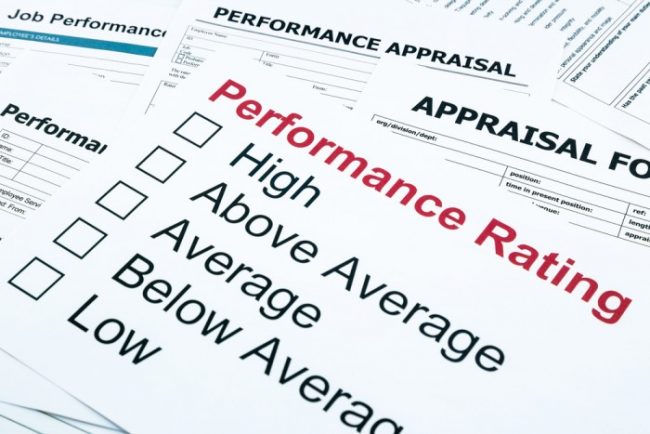
As we approach the end of the year staff members are probably hinting around the conversation about a bonus. The reality is that since the pandemic many businesses were unable to give staff members a bonus. However, as more and more people now return to their place of work and staff businesses starting to pick up is it possible for the conversation around a bonus to happen? 

The truth is that this was a tradition for managers to engage with staff members for an annual review which would see the conversation around whether they have exceeded expectations or not. This would then see managers giving feedback, criticism and sometimes even suggestions on how to better improve the way in which you do your job. Then the conversation around increases and bonuses would occur. 

If your company previously did this and isn’t doing it anymore then perhaps now is the time to reintroduce this concept. A performance evaluation or review is essential for the growth of an employee. They should be rewarded for their excellent work and guided for the areas that need improvement. 

By reintroducing the method of using an appraisal will help reignite the spark of hard work and dedication. This will also do a lot in terms of retaining and keeping staff happy. 

Here are some ways to prepare for a sit down of this nature: 

  • If the request for a meeting of this nature is sent then you should prepare for it. Maintain a positive attitude. Don’t feel that this will not work in your favour and that it has been designed to sabotage your role. The aim of an appraisal is to reward hard work and initiate the improving of areas that need attention.
  • Having a positive attitude will help you maintain positivity and allow you to reflect on the hard work you have done over the past few months. Its ok to use this as a time to speak about how you exceeded expectation. Share your achievements and how you worked hard to achieve results. 
  • When you are having this discussion around a bonus and prospective increase remember that you are not asking for a favour but rather highlighting the effort you have been putting in to enable you to grow in the business. It is for this reason that it is essential to prepare feedback reports, information around customer service and even sales reports to show how you have been performing. 
  • Remain calm and unbiased when your manager points out any areas of improvements. Maybe you dropped the ball a few months ago that costed the organisation. It is ok to acknowledge that this has happened and then work towards improving the area that resulted in this failure. 
  • If areas like time management, conflict management and even work place attitude come up then it is important to acknowledge that these are the areas that require improving and work towards it. 
  • If you find that the conversation with your manager is not going the way you expected, then don’t hesitate to ask for a follow up or if it’s possible to reschedule. Companies want to retain their employees so it is important that you provide service to your organisation that enables them to invest in you. 
  • Once the meeting is successful and you have received a bonus and perhaps even a raise or promotion, don’t slack on your service. You have been rewarded for your hard work and it is essential to keep that up to ensure that you continue to grow in the business. 

Devan Moonsamy is the CEO of ICHAF Training Institute, a South African TVET College. He is the author of Racism, Classism, Sexism, And The Other ISMs That Divide Us, AND My Leadership Legacy Journal available from the ICHAF Training Institute. 

The ICHAF Training Institute offers SETA-approved training in business skills, computer use, and soft skills. Devan specialises in conflict and diversity management, and regularly conducts seminars on these issues for corporates. To book a seminar with Devan or for other training courses, please use the contact details below.

Tel: 011 262 2461 | 083 303 9159 |

Email: admin@ichaftraining.co.za devan@ichaftraining.co.za | 

Website: www.ichaftraining.co.za |  www.devan-moonsamy.com